Mythology
Gods, heroes and the language of legend
Read Olympus through Homer, Hesiod and material evidence—without turning poetry into geography.
Enter the fieldMyth · place · material
Explore the myths, architecture and natural phenomena that shaped the image of Olympus—from ancient poetry and temple design to the living mountain and the physics of lightning.
Explore the Stories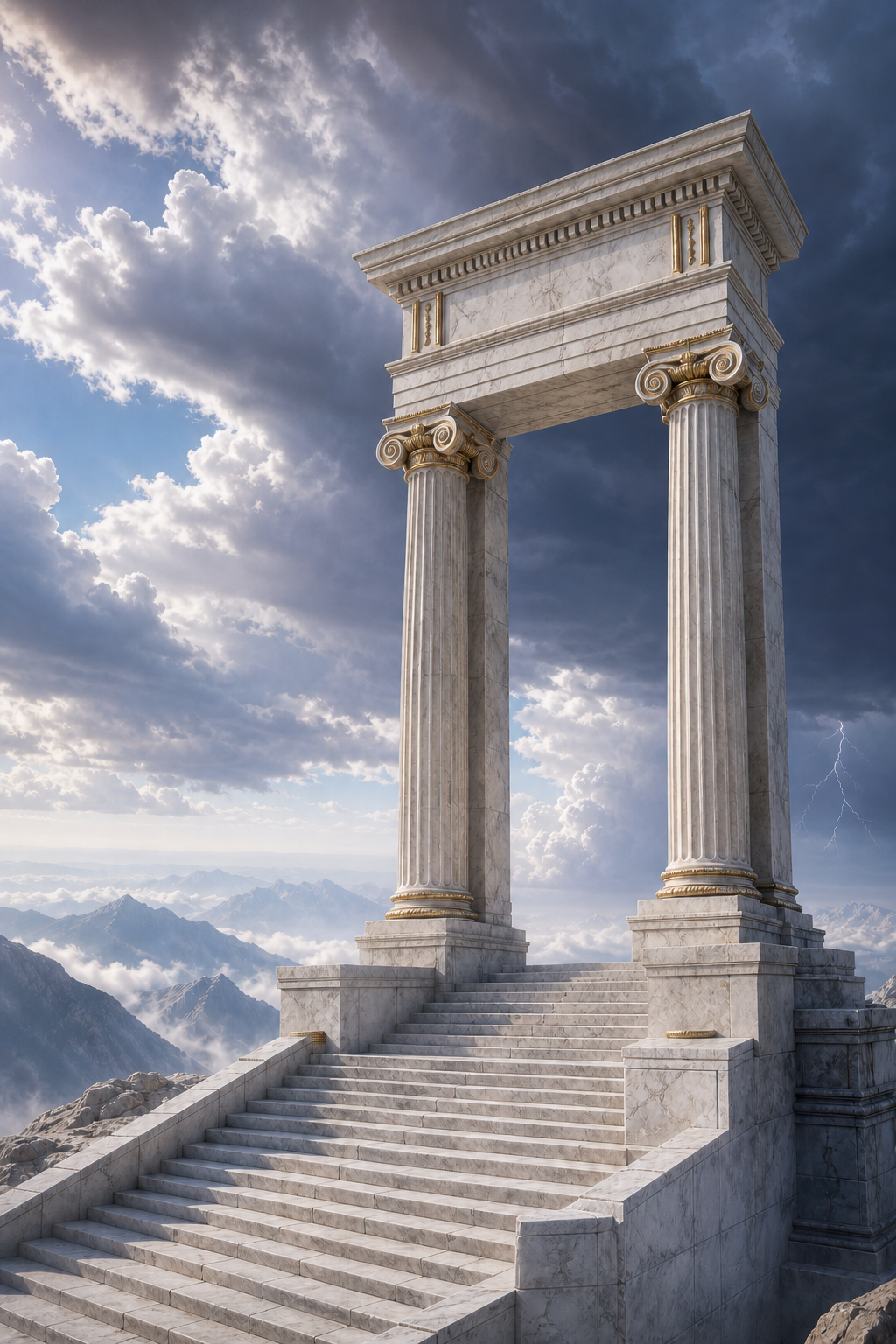
Three fields, one mountain
Myth, architecture and weather overlap in cultural memory. Our structure keeps their evidence distinct.
Mythology
Read Olympus through Homer, Hesiod and material evidence—without turning poetry into geography.
Enter the fieldArchitecture
Move from plan and proportion to quarry, roof tile, pigment and the hands behind sacred buildings.
Enter the fieldThunder
Keep Zeus’s thunderbolt in its mythic context while following atmospheric science step by step.
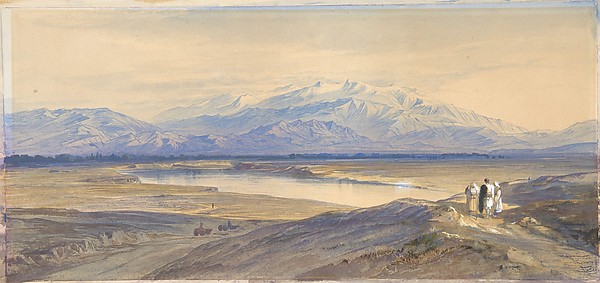
Enter the fieldA real summit, an inaccessible cloud line and generations of poetry made Olympus both a place on the map and a divine address.
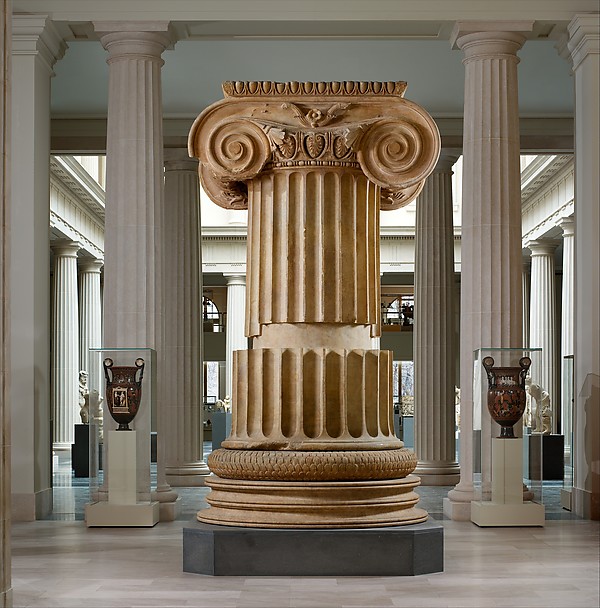
01ArchitectureOrders, proportional systems and a sequence of porch, inner chamber and surrounding colonnade shaped the temple experience.
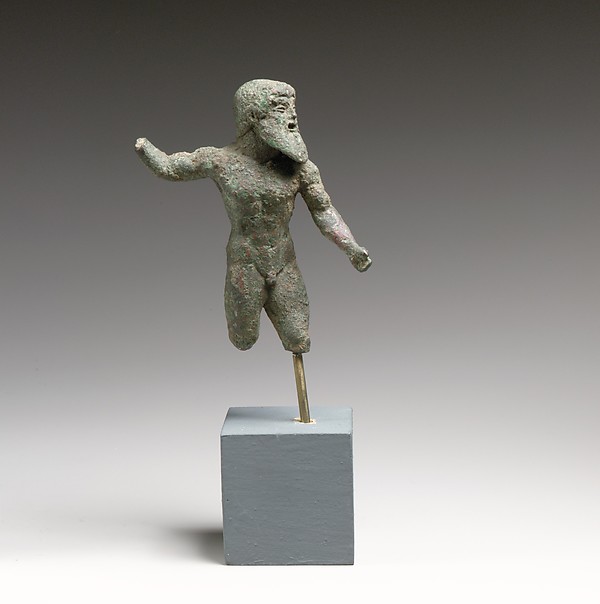
02Gods & SymbolsThe thunderbolt identifies Zeus in texts and images—but an absent attribute can make an ancient figure difficult to name.
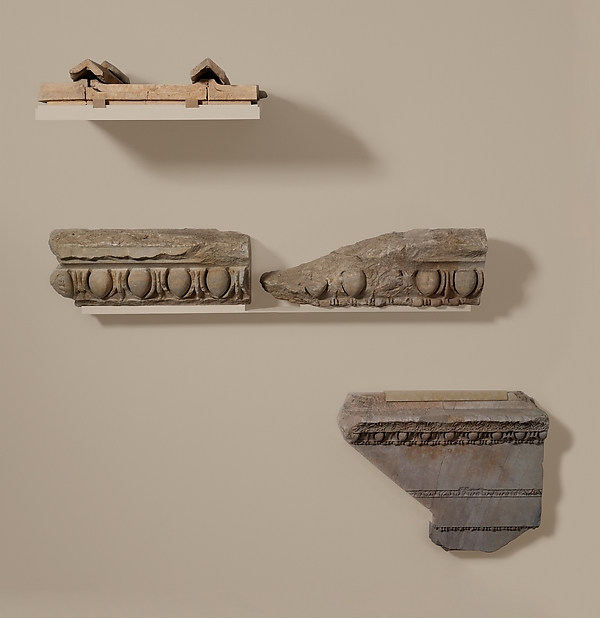
03Material CultureTemples were built from coordinated stone, timber, metal and color—not from an imaginary world of uniform white marble.
04LandscapeLimestone peaks, steep ravines and a changing mountain climate define Olympus beyond its literary fame.
05ReceptionModern books, films and visual worlds do not simply preserve myths: they select, combine and rewrite them.
06The reading room
Landscape, objects, texts and weather—each article opens with a specific question and closes with the record behind it.
A real summit, an inaccessible cloud line and generations of poetry made Olympus both a place on the map and a divine address.
Read ArticleOrders, proportional systems and a sequence of porch, inner chamber and surrounding colonnade shaped the temple experience.
Read ArticleThe thunderbolt identifies Zeus in texts and images—but an absent attribute can make an ancient figure difficult to name.
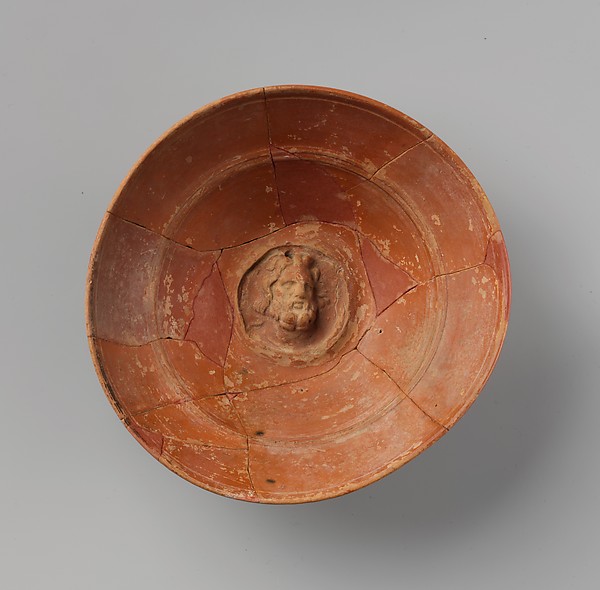
Read ArticleTemples were built from coordinated stone, timber, metal and color—not from an imaginary world of uniform white marble.
Read ArticleLimestone peaks, steep ravines and a changing mountain climate define Olympus beyond its literary fame.
Read ArticleModern books, films and visual worlds do not simply preserve myths: they select, combine and rewrite them.
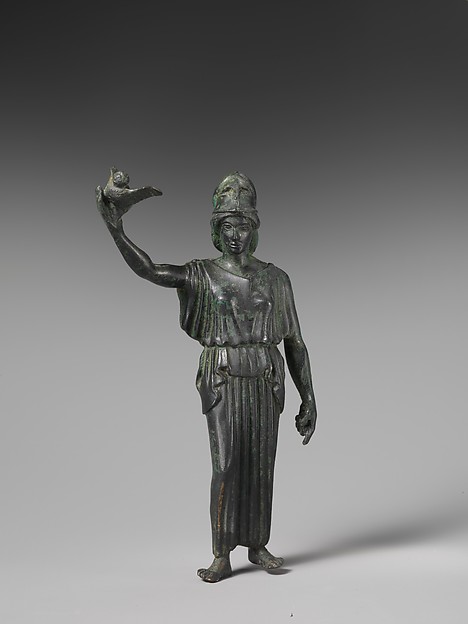
Read ArticleOwls, thunderbolts, tridents and helmets help identify ancient figures—when enough of the object survives.
Read ArticleThe three familiar orders are systems of proportion and detail, not merely three interchangeable capital designs.
Read ArticleA concise, source-led account of charge separation, the lightning channel and the shock wave we hear as thunder.
Read ArticleInside the ancient temple
A generalised plan helps orient the reader. Real sanctuaries varied across time, place and religious practice.
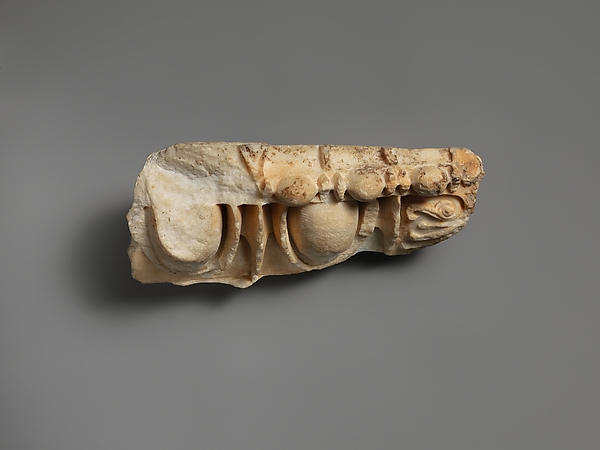
Typically no separate column base, with a plain capital and an entablature structured by triglyphs and metopes.
A moulded base, a more slender shaft and scroll-like capital support a continuous frieze.
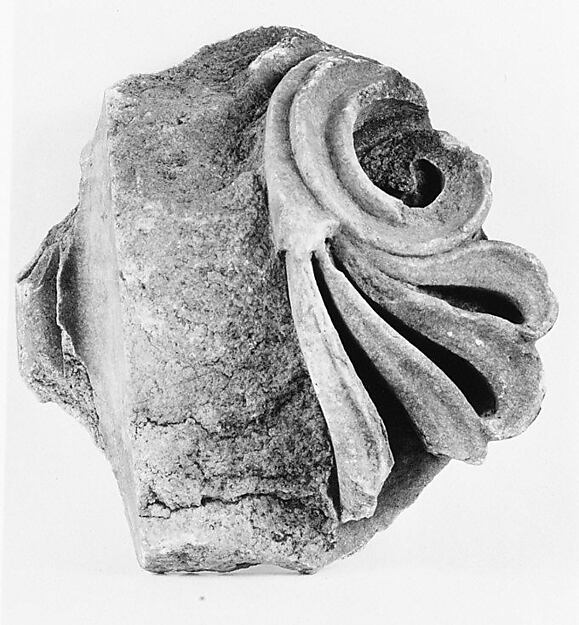
Layered leaf forms distinguish an order developed in the late Classical period and widely used later.
Architecture summary checked against The Metropolitan Museum of Art’s overview of ancient Greek architecture ↗.
Lightning: myth and science
The ancient thunderbolt conveys divine agency. Atmospheric science describes electrical charge and discharge. We do not collapse one into the other.
Mythic language
In Greek poetry and visual culture, thunder and lightning make the authority of Zeus immediate and visible. The thunderbolt is an attribute inside a mythic system.
Read the symbolAtmospheric process
Charge separates inside a storm. A conductive channel develops; the return stroke creates the visible flash. Rapidly heated air expands and produces thunder.
Follow the processIf you can hear thunder, NOAA advises moving indoors. The mountain atmosphere is never only an aesthetic backdrop.
Read NOAA guidanceHow we research
Editorial responsibility means showing not only what we know, but how certain we are and when a page was reviewed.
Claims begin with texts, museum catalogues, heritage records and science agencies that readers can open themselves.
A literary tradition is never presented as an archaeological discovery or a modern scientific explanation.
If a museum identifies a figure as “Zeus or Poseidon,” we preserve that qualification rather than invent certainty.
Every article shows a publication date, a last-review date and an institutional editorial desk responsible for it.
Questions, answered
Mount Olympus is a mountain massif in northern Greece near the Aegean coast. Its highest summit, Mytikas, is the highest point in Greece.
Ancient Greek poets described Olympus as the dwelling and meeting place of the gods. That literary Olympus is related to—but not identical with—the physical mountain.
“The Twelve Olympians” is a conventional group, but ancient lists were not completely fixed. Ten names are generally stable while the remaining places can vary by source and context.
Many were oblong buildings on a stone platform, with a porch, an inner chamber for the cult image and, in prominent examples, a surrounding colonnade. Materials, plans and orders varied by region and date.
In Greek myth and ancient literature, thunder and the thunderbolt express Zeus’s authority over the sky. This symbolic tradition is distinct from the scientific explanation of atmospheric electricity.
We compare primary texts with current museum, heritage and science records; preserve uncertainty in object labels; link the sources used; and show publication and update dates.
About the editorial team
Olympus Atlas is a demonstration publication operated by Olympus Atlas Cultural Review LLC. This release uses clearly named institutional desks rather than fictional personal profiles: the Myth & Texts Desk, Architecture & Material Culture Desk, Earth Science Desk and Editorial Standards Desk.
Personal bylines will be added only when a real contributor provides and approves their name and biography. The Editorial Standards Desk owns corrections, source checks and site-wide updates.